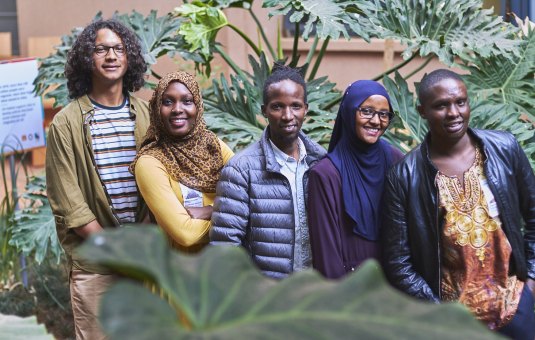
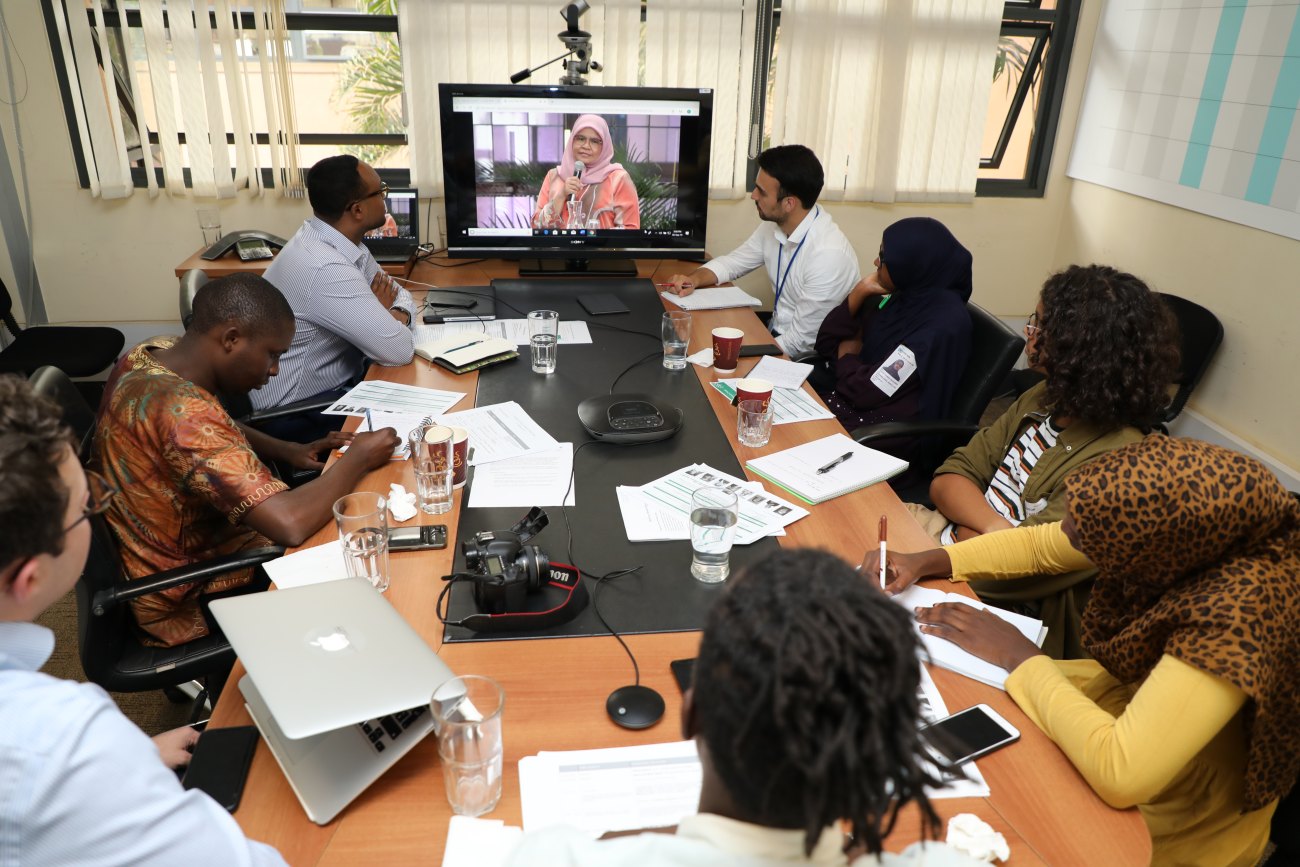
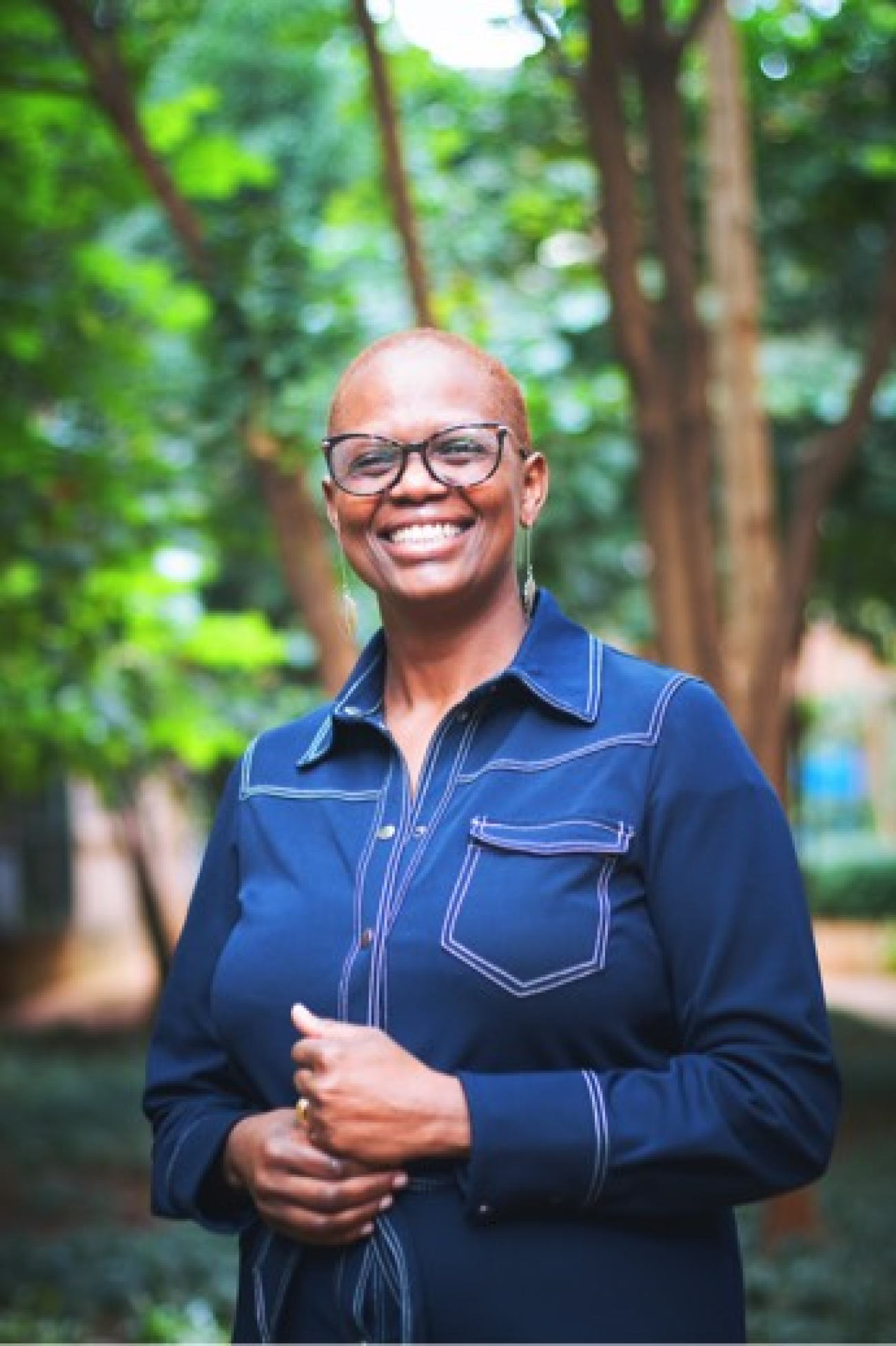
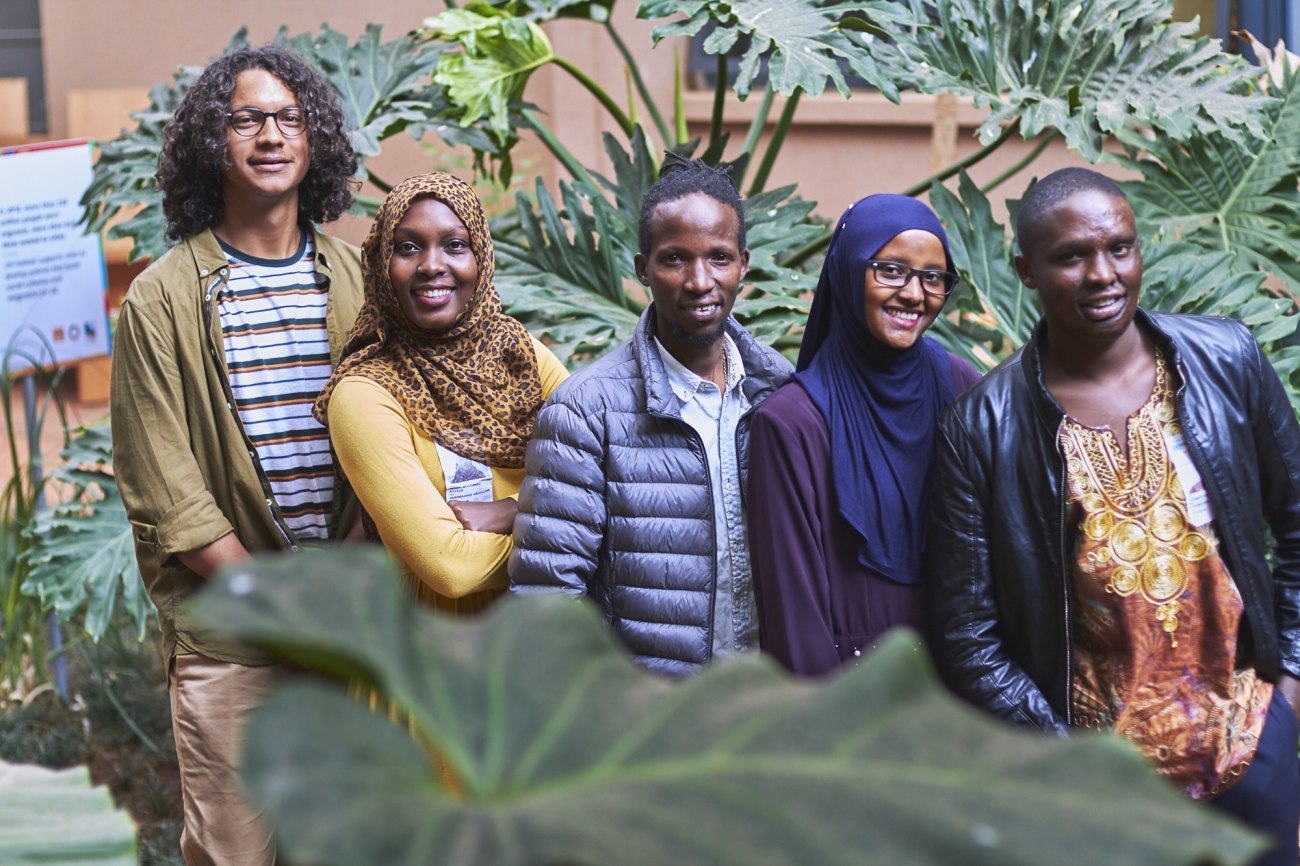
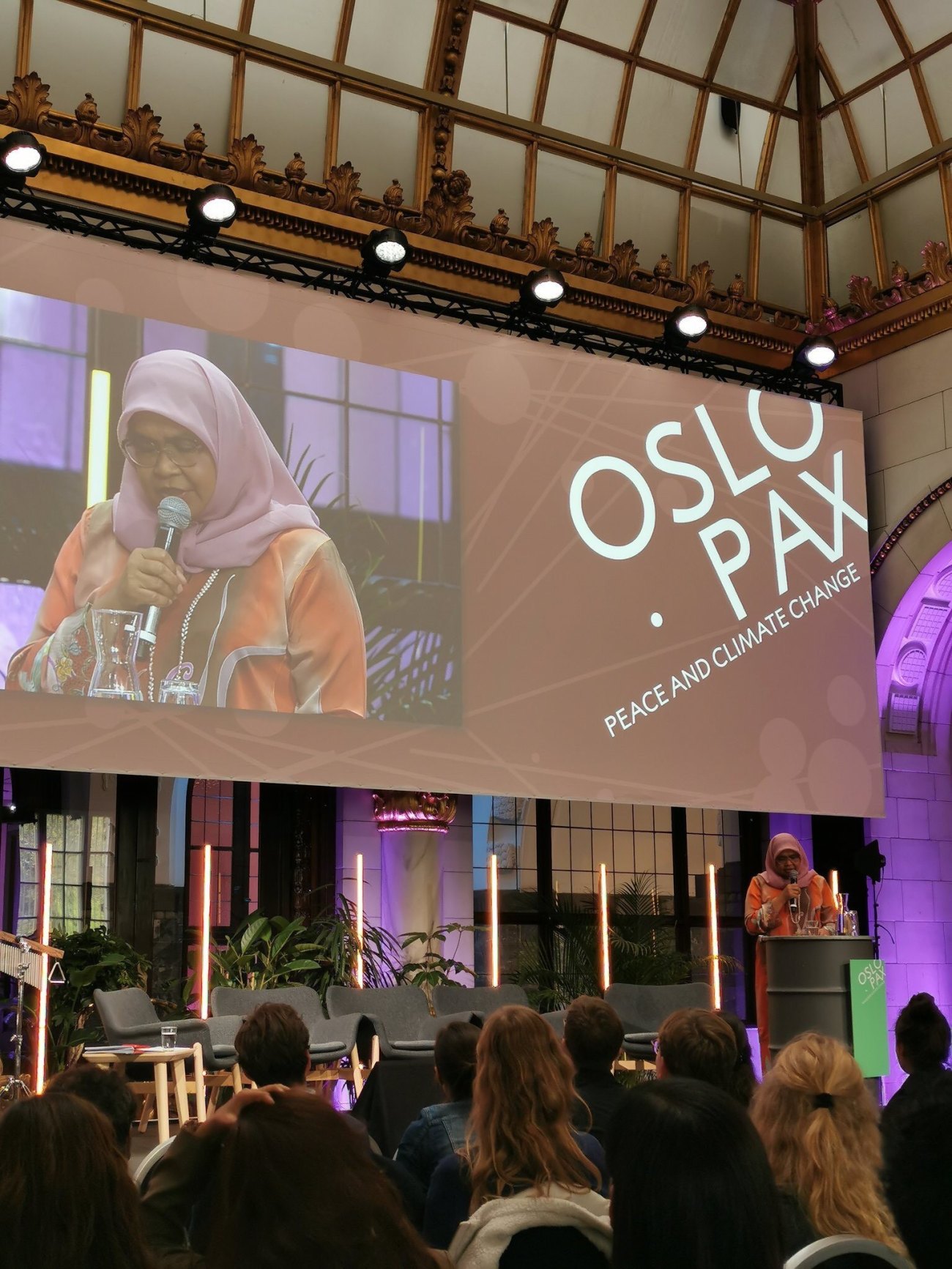
Participants discussed ways to reduce the negative effects of climate change on peace and security in the world, while some speakers referred to climate change as a “threat multiplier” interacting with multiple pressures: social conflict, inequalities, large-scale migration, and competition for resources, increasing the likelihood of instability or violent conflict. “Climate change will directly affect the availability, quality, and access to water, food and ecosystem services in cities, as well as the competition for land, unsustainable land use patterns, energy and infrastructure, leading to increased fragmentation of the rich and poor and stretching the capacities of societies and governments. The most vulnerable groups, including children, women, youth, and seniors, the poor, refugees and Internally Displaced Persons (IDPs), and indigenous populations, will be hit the hardest and will take the longest to recover”, said Ms. Maimunah Mohd Sharif, Executive Director of UN-Habitat.
During his opening remarks Isaac Muasa – chairman of the Mathare Environmental One Stop Conservation Group discussed the importance of involving young people in decision making processes and stressed that “we must always ask ourselves WHO’s in the Room, WHO’s around the room and WHO’s missing from the room? Youth must be in the room to negotiate, around the table to influence negotiations, and supported outside the room to build alliances to collaborate with other stakeholders and partners.”